The most reliable ways to propagate oakleaf hydrangea (Hydrangea quercifolia) are
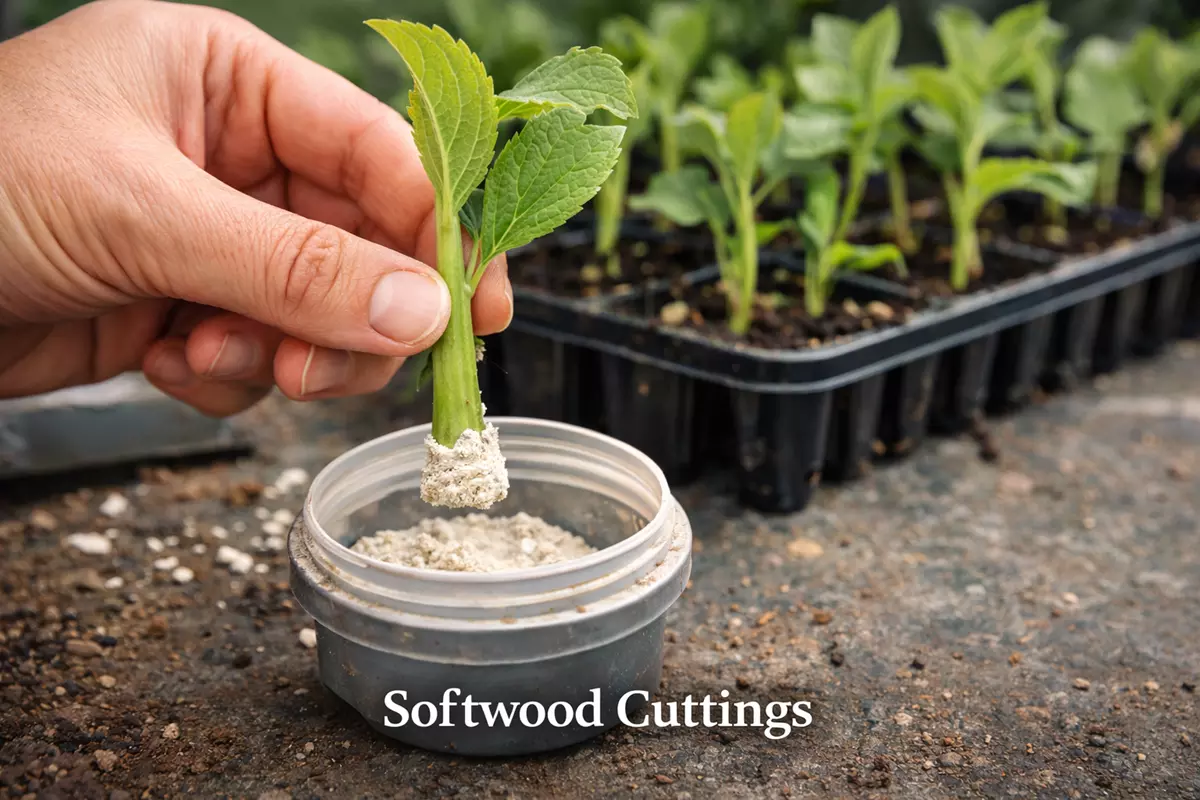
softwood cuttings in late spring/early summer and layering.
Keep cuttings humid, in bright indirect light, and use a free-draining propagation mix.
New plants should be protected through their first winter and transplanted once well-rooted.
Fastest: Softwood cuttings (often root in a few weeks under good conditions)
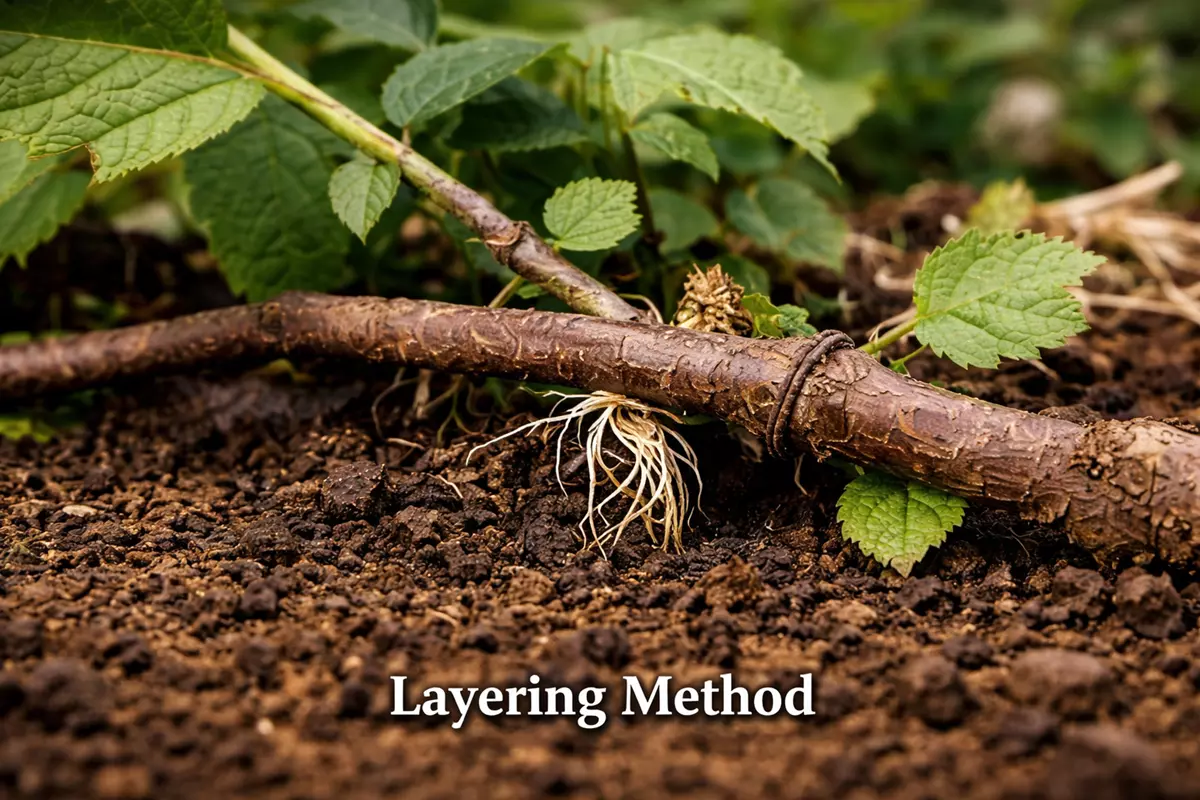
Easiest / highest success: Layering (roots while still attached)
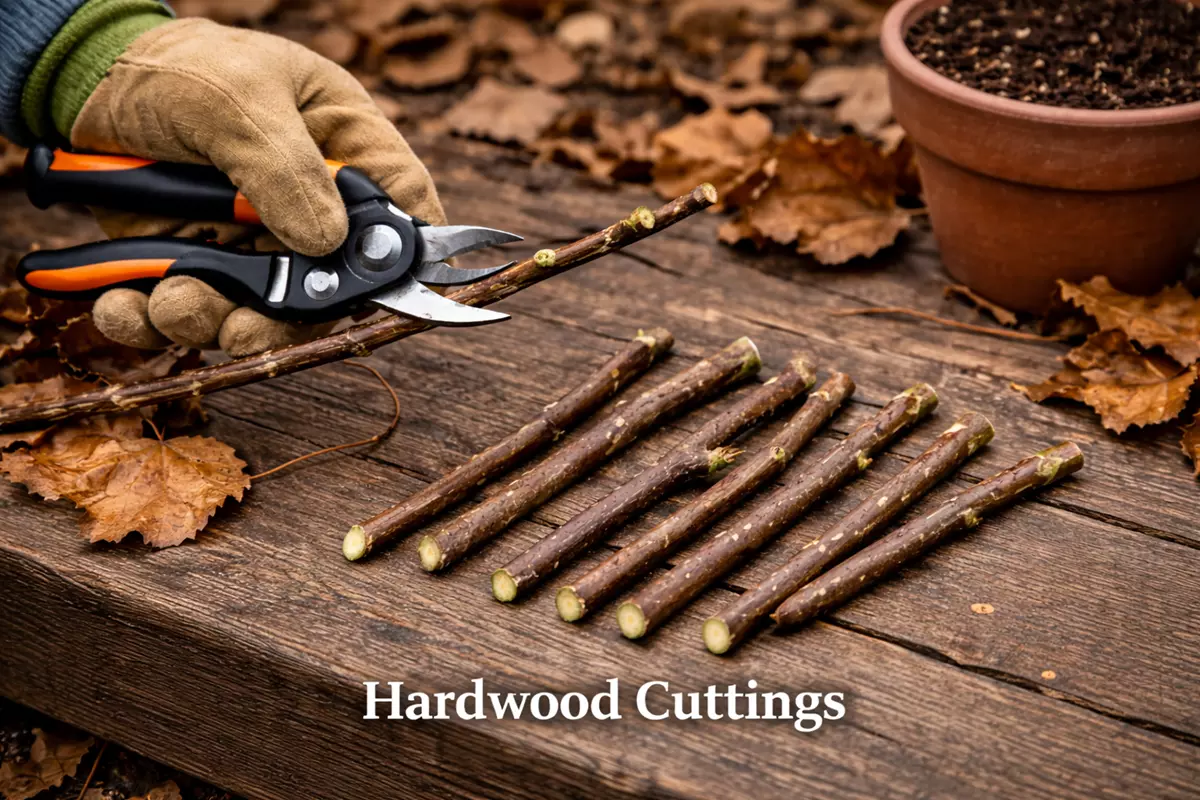
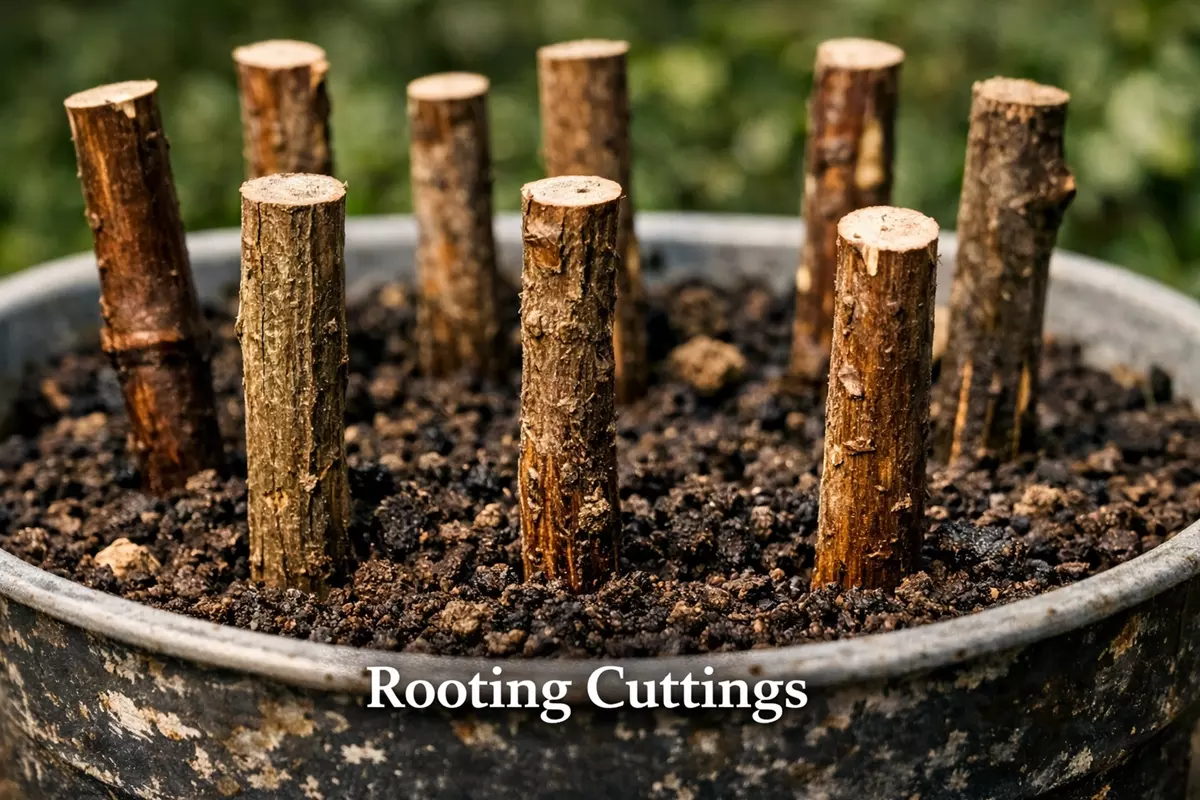
Winter option: Hardwood cuttings (slower, but sturdy)
Hydrangea quercifolia, commonly known as the oakleaf hydrangea, is a beloved deciduous shrub valued for its striking foliage, long-lasting blooms, and vibrant autumn colours. Propagating oakleaf hydrangeas is not only a rewarding gardening practice but also offers several practical and ecological benefits. This article explores the main reasons why gardeners choose to propagate oakleaf hydrangeas and how doing so can enhance both personal gardens and broader landscapes.
Buying new plants can be expensive, especially when landscaping large areas. Propagating oakleaf hydrangeas allows gardeners to grow multiple plants from a single parent shrub without the added cost of purchasing nursery stock.
Save Money: Cuttings and divisions provide a free source of new plants.
Bulk Planting: Ideal for creating hedges, mass plantings, or filling large garden spaces.
DIY Satisfaction: Enjoy the sense of achievement from growing plants yourself.
2. Preserve and Multiply Favourite Cultivars
Many gardeners develop a fondness for specific oakleaf hydrangea cultivars due to their unique leaf shapes, bloom colours, or growth habits. Propagation ensures you can preserve these desirable traits.
Maintain Genetic Consistency: Propagated plants are genetically identical to the parent, ensuring the same flower and foliage characteristics.
Save Rare Varieties: Preserve hard-to-find or heirloom cultivars for future generations.
Gift to Friends and Family: Share your favourite hydrangeas with loved ones.
3. Improve Plant Health and Longevity
Over time, mature hydrangea shrubs may become woody, less productive, or overcrowded. Propagation through division or cuttings can revitalise your garden.
Rejuvenate Old Plants: Dividing older shrubs encourages new, vigorous growth.
Prevent Overcrowding: Propagation and replanting improve air circulation and plant health.
Promote Better Blooming: Younger plants often flower more abundantly than ageing ones.
4. Enhance Garden Design and Diversity
Propagating oakleaf hydrangeas enables you to experiment with garden layouts and create visual harmony across your landscape.
Create Symmetry: Plant propagated hydrangeas in strategic spots for balanced designs.
Add Seasonal Interest: Benefit from oakleaf hydrangea’s year-round appeal, including autumn foliage and winter bark texture.
Expand Colour Palettes: Use propagation to introduce different cultivars with varying bloom colours.
5. Support Sustainability and Environmental Health
Propagating your own plants aligns with sustainable gardening practices by reducing reliance on commercial production and transport.
Reduce Carbon Footprint: Grow plants locally instead of purchasing those transported from afar.
Minimise Plastic Use: Avoid plastic pots and packaging associated with store-bought plants.
Support Local Ecosystems: Oakleaf hydrangeas provide shelter and nectar for local pollinators and wildlife.
6. Learn Valuable Gardening Skills
Propagation is a fundamental horticultural skill that enhances your overall gardening knowledge and confidence.
Develop Hands-On Experience: Learn techniques like softwood and hardwood cuttings, layering, and division.
Problem-Solving Skills: Understand how to troubleshoot issues during propagation.
Personal Growth: Experience the joy of nurturing plants from start to maturity.
7. Quick and Reliable Propagation Methods
Oakleaf hydrangeas are particularly amenable to propagation, making them suitable for both beginner and experienced gardeners.
High Success Rates: Methods like layering and softwood cuttings often yield successful results.
Versatile Timing: Propagation can be performed during different seasons, depending on the chosen method.
Minimal Equipment Needed: Basic tools like secateurs, pots, and soil are often all that’s required.
Propagating oakleaf hydrangeas is an accessible, cost-effective, and environmentally friendly way to expand your garden, preserve cherished cultivars, and support local ecosystems. With high success rates and versatile methods available, gardeners of all experience levels can enjoy the rewards of cultivating new Hydrangea quercifolia plants. Whether you’re aiming to rejuvenate your landscape, save money, or develop essential gardening skills, propagation is a fulfilling process that offers long-term benefits for both you and your garden.
Best Time for Oakleaf Hydrangea Propagation
Why Timing Is Crucial for Successful Propagation
The timing of oakleaf hydrangea propagation plays a pivotal role in determining how quickly and effectively new plants establish roots. Choosing the right season ensures that:
The parent plant is at the ideal growth stage for cutting or division.
Environmental conditions support optimal root development.
New cuttings or divisions avoid extreme weather stress.
Plants have ample time to establish before facing seasonal extremes.
Best Seasons for Oakleaf Hydrangea Propagation
Different propagation methods require distinct timing considerations. Below is a detailed breakdown of the most suitable seasons for each method.
1. Softwood Cuttings – Late Spring to Early Summer
Optimal Period: Late May to early July
Softwood cuttings are taken from new, tender growth during late spring or early summer. At this stage, the stems are flexible, making them ideal for quick root development.
Temperature Range: Daytime temperatures between 18°C and 24°C are optimal.
Why This Time Works: Active growth boosts rooting success, and warmer conditions accelerate development.
Tip: Take cuttings early in the morning when the plant is fully hydrated.
Avoid: Propagating during heatwaves or peak summer to prevent stress and dehydration.
2. Hardwood Cuttings – Late Autumn to Early Winter
Optimal Period: November to January
Hardwood cuttings are taken from mature, woody stems during the plant’s dormant season. Propagating during this period allows roots to form slowly over winter, preparing the plant for vigorous growth in spring.
Temperature Range: 5°C to 10°C is suitable for hardwood rooting.
Why This Time Works: Dormancy directs the plant’s energy towards root development instead of foliage growth.
Tip: Take cuttings after leaf drop but before severe frosts set in.
Avoid: Taking cuttings too early in autumn when stems aren’t fully mature.
3. Layering – Early Spring or Early Autumn
Optimal Periods: March to April (spring) and September to October (autumn)
Layering involves rooting a branch while it remains attached to the parent plant. This method benefits from moderate temperatures and consistent soil moisture during spring and autumn.
Spring Layering: Encourages quick root formation as the plant enters its active growth phase.
Autumn Layering: Allows roots to establish over winter for strong spring growth.
Ideal Conditions: Soil temperatures above 10°C and regular rainfall help maintain consistent moisture.
Avoid: Layering during summer heat or mid-winter frosts, which hinder rooting.
4. Division – Early Spring
Optimal Period: Late February to March
Division is best performed in early spring before new growth begins. This timing allows divided sections to establish roots before the plant enters its active growing season.
Temperature Range: 10°C to 15°C offers the best conditions for root establishment.
Why This Time Works: The plant’s energy is directed towards root development, ensuring faster recovery and growth.
Tip: Water the plant thoroughly the day before dividing to minimise root disturbance.
Avoid: Dividing during late spring or summer, which can stress the plant.
Factors Influencing Propagation Timing
While general seasonal guidelines are helpful, several local factors can influence the best time for oakleaf hydrangea propagation:
Frost Dates: In colder regions, delay spring propagation until after the last frost.
Climate Variations: Warmer areas may extend propagation windows, while colder climates shorten them.
Soil Conditions: Propagate when soil is moist but not waterlogged for optimal root formation.
Humidity Levels: Higher humidity supports faster rooting, especially for cuttings.
Tips for Maximising Success Based on Timing
Monitor Weather Forecasts: Avoid propagating before prolonged cold spells or heatwaves.
Plan Ahead: Prepare all materials in advance to work during the optimal window.
Use Rooting Hormone: Especially useful during less ideal times to improve success rates.
Maintain Consistent Moisture: Particularly important during spring and summer propagation.
Choosing the best time for oakleaf hydrangea propagation is crucial for achieving healthy, thriving plants. While softwood cuttings thrive in late spring, hardwood cuttings benefit from the plant’s dormant phase in late autumn. Layering in spring or autumn and dividing in early spring further broaden your propagation options. By understanding seasonal factors and tailoring your approach to local conditions, you can successfully propagate Hydrangea quercifolia and enjoy vibrant new additions to your garden.
Propagation Methods
Several methods can be used to propagate oakleaf hydrangeas. Each has its advantages depending on resources, timing, and experience level.
1. Propagation by Softwood Cuttings
Softwood cuttings are taken from new growth and offer quick rooting. This method is suitable for those seeking faster results.
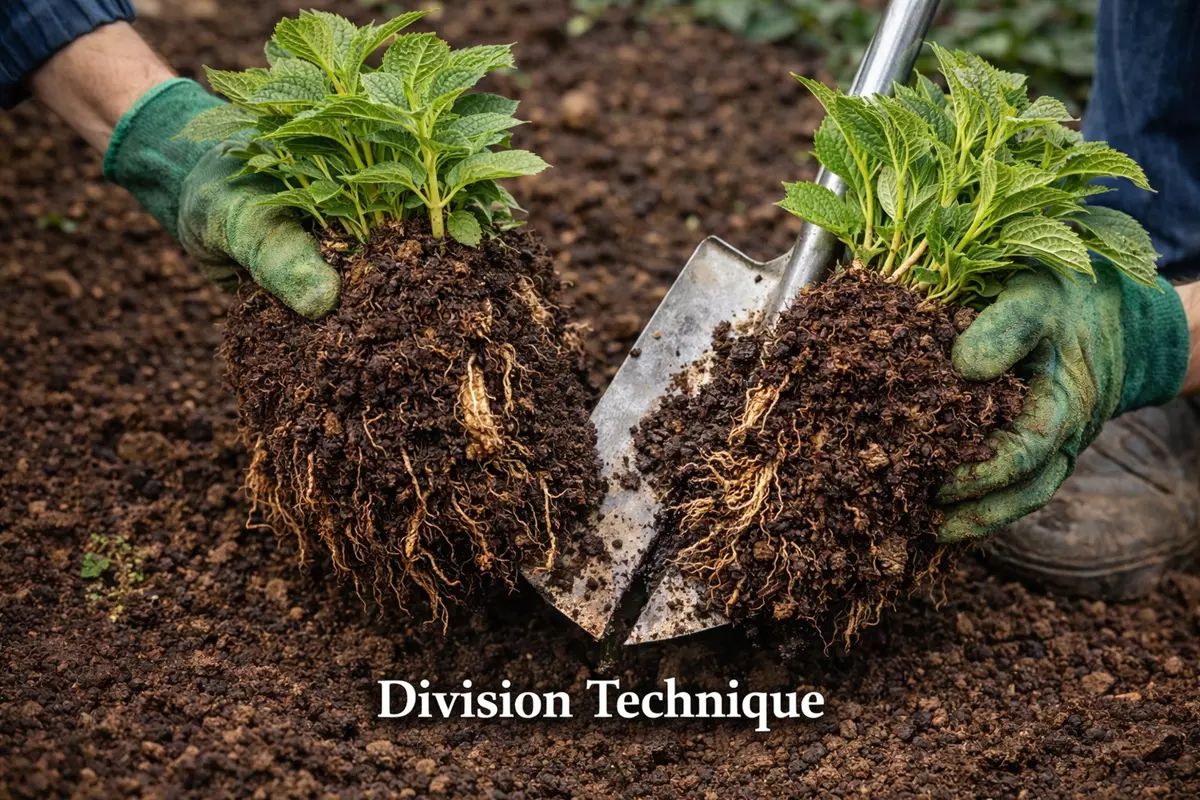
Dig Up the Plant: Carefully lift the hydrangea, preserving the root ball.
Separate Sections: Use a sharp spade or knife to divide the plant.
Replant Immediately: Place divisions in prepared soil and water thoroughly.
Tip: Water the plant before digging to minimise root damage.
Caring for New Plants
After successfully propagating Hydrangea quercifolia, commonly known as the oakleaf hydrangea, proper post-propagation care is crucial for establishing strong, healthy plants. Whether you've used softwood cuttings, hardwood cuttings, layering, or division, new plants require specific attention to thrive. This guide provides detailed instructions for caring for new oakleaf hydrangea plants, ensuring they develop robust root systems and vibrant foliage.
1. Watering New Oakleaf Hydrangea Plants
Consistent and appropriate watering is vital for the survival and growth of newly propagated oakleaf hydrangeas.
Initial Watering: Water thoroughly immediately after planting to settle the soil around the roots.
Frequency: Keep the soil consistently moist but not waterlogged during the first 6–8 weeks.
Deep Watering: Encourage deep root growth by watering slowly at the base of the plant.
Avoid Overwatering: Excess moisture can lead to root rot. Ensure proper drainage.
Tip: Use a mulch layer to retain soil moisture and reduce evaporation.
2. Providing Optimal Light Conditions
Light plays a significant role in the early growth stages of new oakleaf hydrangea plants.
Bright, Indirect Light: For indoor propagation or cuttings, place pots where they receive filtered sunlight.
Outdoor Placement: Plant in partial shade; too much direct sun can scorch tender leaves.
Gradual Exposure: Harden off indoor-propagated plants by gradually introducing them to outdoor conditions over 7–10 days.
Avoid: Immediate exposure to harsh afternoon sun, especially during summer months.
3. Soil Requirements and Preparation
The right soil conditions are essential for healthy root development and overall plant health.
Soil Type: Use a well-draining, fertile soil rich in organic matter.
Soil Amendments: Incorporate compost or aged manure to improve soil structure and nutrient content.
Drainage: Avoid heavy clay soils unless amended with perlite or coarse sand.
4. Mulching for Moisture Retention and Weed Control
Mulching is an effective way to support the health of young oakleaf hydrangea plants.
Apply a 5–7 cm Layer: Use organic mulches such as bark chips, shredded leaves, or compost.
Benefits: Mulch retains moisture, regulates soil temperature, and suppresses weeds.
Placement: Keep mulch a few centimetres away from the plant’s base to prevent stem rot.
5. Fertilising New Plants
Feeding new plants appropriately can encourage vigorous growth but must be done cautiously.
Wait to Fertilise: Avoid fertilising until after new growth appears, typically 4–6 weeks post-planting.
Type of Fertiliser: Use a balanced, slow-release fertiliser (e.g., 10-10-10) or a formula designed for flowering shrubs.
Application: Follow manufacturer instructions and avoid over-fertilising, which can damage roots.
6. Protecting Young Plants from Pests and Diseases
New oakleaf hydrangeas are more susceptible to pests and diseases. Regular monitoring is key.
Common Pests: Watch for aphids, spider mites, and slugs. Use organic insecticidal soap if needed.
Disease Prevention: Maintain good air circulation to prevent fungal infections like powdery mildew.
Watering Habits: Water at the base to avoid wetting foliage, reducing fungal risks.
7. Supporting Structural Growth
While oakleaf hydrangeas naturally develop a sturdy structure, young plants can benefit from early support.
Staking: Use stakes for taller cuttings or divisions to prevent bending in windy conditions.
Pruning: Avoid heavy pruning in the first year; focus on removing dead or damaged stems.
Encouraging Bushiness: Light pinching of new growth can promote fuller growth.
8. Hardening Off Indoor-Propagated Plants
If you started propagation indoors, hardening off is essential before transplanting outdoors.
Start Gradually: Place plants outdoors in a sheltered area for 2–3 hours daily, increasing exposure over a week.
Avoid Extreme Conditions: Protect from wind, heavy rain, and direct midday sun during the hardening-off process.
Monitor Moisture: Keep soil moist during the transition to prevent stress.
9. Transplanting to Permanent Locations
Once new plants have established roots and show consistent growth, they can be moved to their permanent garden spots.
Timing: Transplant in early spring or autumn when temperatures are mild.
Planting Depth: Place plants at the same depth they were growing in their pots.
Water Well: Water thoroughly after transplanting to eliminate air pockets around roots.
Mulch and Protect: Reapply mulch and protect young plants from harsh weather for the first few weeks.
Caring for new oakleaf hydrangea plants is essential to ensure their long-term health and beauty. By providing consistent watering, appropriate light, nutrient-rich soil, and protection from pests and environmental stressors, your Hydrangea quercifolia will thrive. Investing time in proper post-propagation care not only enhances plant survival but also rewards you with lush foliage and stunning blooms for years to come.
Common Issues and Troubleshooting
1. Cuttings Failing to Root
One of the most common problems during oakleaf hydrangea propagation is the failure of cuttings to develop roots. Several factors can contribute to this issue.
Cause: Cuttings taken at the wrong stage (too old or too young).
Solution: Use softwood cuttings in late spring or hardwood cuttings in late autumn for optimal results.
Cause: Inconsistent moisture levels or overly dry soil.
Solution: Keep the growing medium consistently moist but not waterlogged.
Cause: Lack of humidity and improper environment.
Solution: Use a humidity dome or plastic bag to maintain a humid environment around the cuttings.
Tip: Applying rooting hormone can significantly improve success rates.
2. Wilting or Yellowing Leaves
Wilting and yellowing of leaves in newly propagated oakleaf hydrangeas often indicate environmental stress or watering issues.
Cause: Overwatering leading to root suffocation.
Solution: Allow the top layer of soil to dry slightly before watering again. Ensure proper drainage.
Cause: Underwatering causing dehydration.
Solution: Water consistently, especially during the early rooting stages.
Cause: Excessive direct sunlight.
Solution: Provide bright, indirect light and avoid exposing young plants to harsh afternoon sun.
Tip: Use mulch to help retain soil moisture and stabilise soil temperature.
3. Root Rot and Fungal Diseases
Root rot is a serious issue caused by excessive moisture and poor drainage, while fungal diseases can develop in overly humid environments.
Cause: Waterlogged soil or overwatering.
Solution: Use a well-draining potting mix and pots with drainage holes. Reduce watering frequency.
Cause: High humidity without adequate air circulation.
Solution: Ventilate covered cuttings daily to prevent fungal growth.
Prevention: Sterilise tools and pots before use and avoid overhead watering.
Treatment: Remove affected parts and apply an appropriate fungicide if necessary.
4. Slow or Stunted Growth
New oakleaf hydrangea plants may sometimes exhibit slow or stunted growth due to various factors.
Cause: Nutrient deficiencies or poor soil quality.
Solution: Amend the soil with organic matter and apply a balanced, slow-release fertiliser once roots are established.
Solution: Maintain moderate temperatures between 15°C and 24°C for optimal growth.
5. Pest Infestations
Pests can quickly damage tender new growth, hindering the success of oakleaf hydrangea propagation.
Common Pests: Aphids, spider mites, and slugs.
Solution: Inspect plants regularly. Use organic insecticidal soaps or horticultural oils to manage infestations.
Prevention: Keep propagation areas clean and free from debris. Remove any infested plant material promptly.
Tip: Encourage natural predators like ladybirds to help control pest populations.
6. Leaf Drop After Transplanting
It’s common for new plants to drop leaves after being moved to a permanent location, but excessive leaf drop may signal a problem.
Cause: Transplant shock due to sudden environmental changes.
Solution: Harden off indoor-propagated plants before transplanting. Gradually acclimate them to outdoor conditions over a week.
Cause: Inadequate watering during the transplant phase.
Solution: Water deeply after transplanting and monitor soil moisture regularly.
7. Inconsistent Root Development
Not all cuttings may root at the same rate, which can be frustrating during propagation.
Cause: Variability in stem maturity or health.
Solution: Select healthy, disease-free stems with several nodes for the best chance of success.
Cause: Uneven moisture or temperature conditions.
Solution: Maintain consistent humidity and temperature levels during the rooting process.
8. Environmental Stress Factors
Newly propagated oakleaf hydrangeas can be sensitive to their growing environment.
Issue: Exposure to strong winds or heavy rain can damage delicate new plants.
Solution: Provide temporary shelter or stake taller cuttings for stability.
Issue: Sudden temperature fluctuations can stall growth.
Solution: Plant during stable weather conditions and use mulch to regulate soil temperature.
Understanding and addressing common issues during oakleaf hydrangea propagation is essential for cultivating healthy, vibrant plants. By monitoring environmental conditions, providing consistent care, and taking preventative measures against pests and diseases, you can overcome most challenges. With patience and proper troubleshooting, your Hydrangea quercifolia will flourish, rewarding you with beautiful foliage and long-lasting blooms.
Frequently Asked Questions (FAQ)
1. What is the easiest way to propagate oakleaf hydrangea?
Layering is usually the easiest and most reliable method because the stem forms roots while still attached to the parent plant. It’s slow, but success rates are typically high.
2. When should I take softwood cuttings for oakleaf hydrangea?
Take softwood cuttings in late spring to early summer, when stems are flexible and actively growing. Avoid heatwaves and take cuttings in the morning when the plant is well hydrated.
3. Can I propagate oakleaf hydrangea from hardwood cuttings?
Yes. Hardwood cuttings are taken during dormancy (late autumn to winter). They root more slowly than softwood cuttings, but they can produce tough, resilient young plants.
4. How long do oakleaf hydrangea cuttings take to root?
Softwood cuttings can root in a few weeks under warm, humid conditions. Hardwood cuttings typically take much longer and may not show strong rooting until spring.
5. Do I need rooting hormone for hydrangea cuttings?
Rooting hormone isn’t strictly required, but it often improves success and consistency—especially if conditions aren’t perfect. Use it sparingly and follow the product label instructions.
6. What is the best soil mix for rooting oakleaf hydrangea cuttings?
Use a free-draining propagation mix (for example: compost + perlite, or a peat-free cutting compost + perlite). Good drainage helps prevent rot while still holding enough moisture for rooting.
7. Why do my oakleaf hydrangea cuttings wilt or collapse?
The most common causes are low humidity, too much direct sun, or a cutting that was taken too soft/too old. Keep cuttings in bright shade, maintain humidity, and avoid letting the medium dry out.
8. Can I root oakleaf hydrangea cuttings in water?
It can work sometimes, but it’s usually less reliable than rooting in a propagation mix. For best survival after potting-on, rooting directly in a free-draining medium is typically the safer approach.
9. How do I propagate oakleaf hydrangea by layering?
Choose a low, flexible stem, lightly wound the underside, pin it to the soil, and cover the wounded section. Keep the area evenly moist; once you see steady new growth, you can sever it from the parent and transplant.
10. Can I divide an oakleaf hydrangea?
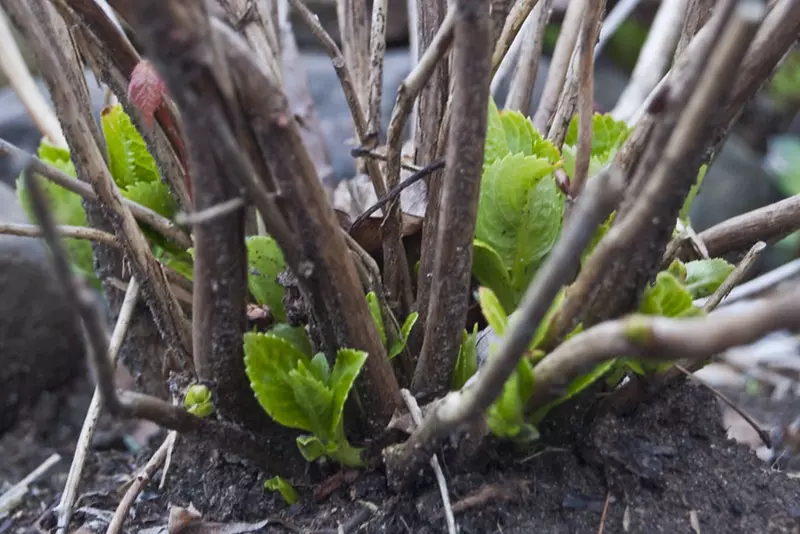
Sometimes—but division is more disruptive with woody shrubs. If your plant has multiple stems emerging from the base, you can attempt division in early spring. If you’re unsure, layering or cuttings are usually simpler.
11. Can I grow oakleaf hydrangea from seed?
You can, but seedlings may not grow “true” to the parent plant, especially for named cultivars. Use seed propagation mainly if you’re happy with natural variation.
12. Will taking cuttings reduce flowering next year?
Oakleaf hydrangea typically blooms on older wood, so hard pruning at the wrong time can reduce blooms. Take small amounts of non-flowering growth for cuttings and avoid heavy pruning unless you accept fewer flowers.
13. When can I transplant rooted oakleaf hydrangea cuttings outdoors?
Transplant when the cutting has a strong root system (you feel resistance and see steady new growth). Mild weather in spring or early autumn is ideal; avoid extremes of heat, drought, or frost.
14. How do I overwinter newly rooted oakleaf hydrangeas?
Keep them sheltered from harsh frost and drying winds (a cold frame, unheated greenhouse, or a protected spot works well). Keep the mix lightly moist—not wet—through winter.
15. Can I propagate patented (plant-protected) oakleaf hydrangea cultivars?
If a cultivar is patented or plant-protected, asexual propagation (cuttings/layering) is generally not allowed without permission. Check the plant label or seller info before propagating named varieties.
Oakleaf hydrangea propagation is a rewarding way to grow beautiful, resilient shrubs. By selecting the right method and following the steps outlined above, you can successfully cultivate healthy new plants for your garden. With patience, attention to detail, and proper care, your propagated hydrangeas will thrive and provide stunning blooms for years to come.
Richard Seres-Nagy is a passionate gardener with over 20 years of experience in hydrangea care. He founded Hydrangea Library to share expert advice, step-by-step guides, and practical tips for fellow gardening enthusiasts.